


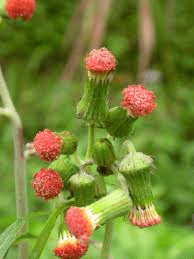
Crassocephalum, scientifically known as Crassocephalum crepidioides, is a perennial plant belonging to the Asteraceae family. Also referred to as African lettuce or thickhead, this plant exhibits distinctive characteristics that set it apart in the botanical world.
Crassocephalum is a herbaceous plant that typically grows to a height of about 30 to 80 centimeters. Its growth habit is erect and branching, with multiple stems emerging from the base. The leaves are arranged alternately along the stems.
One of the most noticeable features of Crassocephalum is its leaves. The leaves are elongated, lance-shaped, and possess serrated edges. They exhibit a deep green color and are covered in fine, soft hairs that give them a velvety texture. The leaves grow in a rosette-like arrangement at the base of the plant and along the stems.
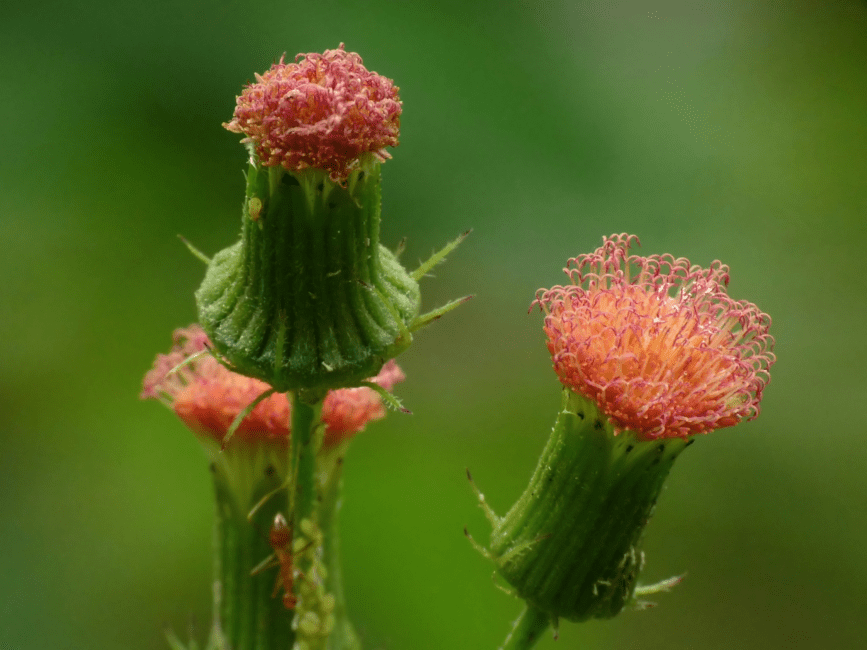
Crassocephalum produces bright yellow, daisy-like flowers that are characteristic of the Asteraceae family. These composite flowers consist of numerous individual florets, each surrounded by bracts.
The flowers are arranged in clusters at the tips of the stems, creating a visually appealing display. The blooms not only add beauty to the plant but also play a crucial role in attracting pollinators.
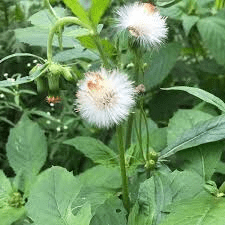
Following successful pollination, the flowers of Crassocephalum develop into small, dry fruits known as achenes. Each achene contains a single seed and is equipped with a feathery pappus, a structure that aids in wind dispersal of the seeds.
Crassocephalum possesses a fibrous root system that anchors the plant into the soil and facilitates water and nutrient absorption. The root system supports the plant’s growth and overall vitality.
Crassocephalum is native to Africa and is commonly found in tropical and subtropical regions. It thrives in various habitats, including open fields, grasslands, and disturbed areas. Due to its adaptability, Crassocephalum has become naturalized in some regions outside of its native range.
Crassocephalum has cultural and culinary importance in some African societies. The leaves of the plant are consumed as leafy greens and are incorporated into traditional dishes. They are appreciated for their nutritional value and unique flavour.
Read Also: 20 Medicinal Health Benefits of Acokanthera oblongifolia (Deadly Poison Apple)
The Medicinal Health Benefits of Crassocephalum (Crassocephalum crepidioides)
1. Anti-Inflammatory Properties: Crassocephalum contains bioactive compounds with potent anti-inflammatory effects. These properties can help reduce inflammation in the body, making it beneficial for conditions such as arthritis, joint pain, and inflammatory disorders.
2. Respiratory Relief: The leaves of Crassocephalum possess expectorant properties, which can aid in clearing respiratory passages and easing congestion. This makes it valuable for managing respiratory conditions like coughs, bronchitis, and asthma.
3. Digestive Comfort: Crassocephalum has been traditionally used to soothe digestive discomfort. It can help alleviate indigestion, bloating, and other gastrointestinal issues, promoting a healthier digestive system.
4. Antioxidant Defense: Rich in antioxidants, Crassocephalum helps combat oxidative stress by neutralizing harmful free radicals in the body. Regular consumption may contribute to reducing the risk of chronic diseases and promoting overall well-being.
5. Blood Sugar Regulation: Research suggests that Crassocephalum may play a role in regulating blood sugar levels. This can be particularly valuable for individuals with diabetes or those aiming to maintain healthy glucose levels.
6. Immune Support: The immune-boosting properties of Crassocephalum can enhance the body’s defense mechanisms, helping it ward off infections and illnesses more effectively.
7. Wound Healing: Crassocephalum’s leaves have been used topically to aid in wound healing. Applying crushed leaves to minor cuts or abrasions can promote faster recovery and prevent infection.
8. Stress and Anxiety Relief: Consuming Crassocephalum may have a calming effect on the nervous system, contributing to stress reduction and alleviating anxiety. It can promote relaxation and a sense of well-being.
9. Liver Health: Traditional uses of Crassocephalum include supporting liver health and detoxification processes. Its compounds may help maintain optimal liver function.
10. Bone Strength: Crassocephalum’s mineral content, including calcium and magnesium, contributes to maintaining strong and healthy bones, which is essential for overall mobility and well-being.
Read Also: 15 Medicinal Health Benefits of Broussonetia Papyriferra (Paper Mulberry)
The Methods of Usage to Achieve the Provided Health Benefits of Crassocephalum (Crassocephalum crepidioides)
1. Culinary Delight: Incorporate Leaves into Salads: One of the simplest ways to enjoy Crassocephalum is by adding its fresh leaves to your salads. The tender leaves can provide a unique flavour and a nutritional boost to your meals.
2. Herbal Teas and Infusions: Prepare Crassocephalum Tea: Boil water and steep Crassocephalum leaves in it to create a herbal tea. This method allows you to extract the plant’s beneficial compounds and enjoy a soothing beverage.
3. Cooking Ingredient: Include in Cooked Dishes: Crassocephalum leaves can be added to cooked dishes just like any other leafy greens. Incorporate them into soups, stews, stir-fries, and other recipes to enhance both the flavour and the nutritional content of your meals.
4. Topical Applications: Apply to Wounds: Crushed Crassocephalum leaves can be applied topically to minor wounds and cuts. The plant’s potential antibacterial properties may aid in wound healing and prevent infections.
5. Herbal Extracts: Prepare Tinctures or Extracts: For a more concentrated form of Crassocephalum, you can create tinctures or extracts by macerating the leaves in alcohol or another solvent. These extracts can be used in small amounts and diluted with water.
6. Smoothies and Juices: Blend in Smoothies: Add fresh Crassocephalum leaves to your smoothies or juices to create a nutritious and refreshing beverage. Blending the leaves ensures that you’re consuming the whole plant, including its valuable nutrients.
7. Herbal Poultices: Create Poultices: Crushed Crassocephalum leaves can be combined with other soothing herbs to create poultices. These poultices can be applied to sore muscles, bruises, or areas of inflammation for localized relief.
8. Steamed Preparations: Steam the Leaves: Steam Crassocephalum leaves as a side dish or add them to other steamed vegetables. Steaming helps retain the plant’s nutrients and flavours.
9. Herbal Supplements: Explore Herbal Supplements: In some cases, Crassocephalum extracts may be available in the form of capsules or tablets as herbal supplements. If you choose to go this route, ensure you consult with a healthcare professional before starting any new supplement regimen.
10. Culinary Innovation: Experiment in the Kitchen: Get creative with Crassocephalum by experimenting with new recipes and culinary combinations. This can be an enjoyable way to integrate the plant’s health benefits into your diet.
The Side Effects of Using Crassocephalum Medicinal Plant
1. Digestive Discomfort: Excessive consumption of Crassocephalum leaves may lead to digestive discomfort in some individuals. This could manifest as bloating, gas, or an upset stomach. To avoid this, consume Crassocephalum in moderation and observe how your body responds.
2. Allergic Reactions: As with any plant, there is a possibility of allergic reactions in sensitive individuals. If you notice symptoms like itching, rash, or swelling after consuming or coming into contact with Crassocephalum, discontinue use and seek medical attention if necessary.
3. Pregnancy and Nursing: Pregnant and nursing women should exercise caution when using Crassocephalum for its medicinal benefits. It’s advisable to consult with a healthcare professional before incorporating the plant into their diet, as its effects on pregnancy and breastfeeding are not fully understood.
4. Medication Interactions: If you are taking medications, especially for chronic conditions or specific health concerns, consult a healthcare provider before using Crassocephalum. There is a possibility of interactions between the plant’s compounds and certain medications.
5. Quantity Matters: While Crassocephalum offers numerous benefits, using it excessively may lead to adverse effects. Stick to recommended amounts and do not overconsume to avoid potential side effects.
6. Quality and Sourcing: The quality and sourcing of Crassocephalum leaves can also impact their safety and potential side effects. Ensure that the plant material is sourced from a reputable and reliable source to minimize the risk of contamination or adverse reactions.
7. Individual Variability: Each individual’s body reacts differently to substances, including botanicals. Some people may experience side effects while others may not. It’s essential to listen to your body and make informed decisions based on how you feel.
8. Interaction with Medical Conditions: Individuals with pre-existing medical conditions, especially those related to the liver, kidney, or gastrointestinal system, should consult a healthcare professional before using Crassocephalum, as its effects on these conditions are not fully understood.
9. Culinary Preparations: When using Crassocephalum in culinary preparations, ensure that the leaves are thoroughly washed and cooked to reduce the risk of ingesting harmful microorganisms or contaminants.
10. Not a Substitute for Professional Advice: While Crassocephalum may offer medicinal benefits, it should not be used as a replacement for professional medical advice, diagnosis, or treatment. If you have health concerns, always consult a qualified healthcare practitioner.
Nutritional Value of Crassocephalum crepidioides
1. Crude Protein: Crassocephalum crepidioides contains a high crude protein content, approximately 27.17% in dried leaves, making it a valuable protein source for human and animal nutrition, supporting muscle growth and repair.
2. Crude Fiber: With about 8.13% crude fiber, this plant aids digestion, promotes gut health, and helps prevent constipation by adding bulk to the diet.
3. Ash Content: The ash content, around 17.31%, indicates a rich mineral profile, contributing to overall mineral intake essential for bone health and metabolic functions.
4. Nitrogen-Free Extract (NFE): Containing 19.03% NFE, Crassocephalum crepidioides provides carbohydrates for energy, supporting daily physical and mental activities.
5. Potassium: This plant is a good source of potassium (0.07%), which supports heart health, regulates blood pressure, and aids in muscle function.
6. Iron: With an iron content of 0.056%, it helps in red blood cell formation, preventing anemia and improving oxygen transport in the body.
7. Calcium: Crassocephalum crepidioides provides calcium (105.09 mg/kg), essential for strong bones, teeth, and proper nerve function.
8. Total Amino Acids: The plant contains 19.01 mg/g of total amino acids, including essential ones like valine and phenylalanine, crucial for protein synthesis and overall health.
9. Phenolic Compounds: Rich in phenols (422.22 gallic acid equivalent mg/g), these compounds offer antioxidant properties, protecting cells from oxidative stress and inflammation.
10. Flavonoids: With 3.46 quercetin equivalent mg/g, flavonoids in Crassocephalum crepidioides contribute to anti-inflammatory and immune-boosting effects.
Scientific Evidence and Case Studies on Crassocephalum crepidioides
1. Dairo & Adanlawo (2007): This study evaluated the nutritional quality of Crassocephalum crepidioides, finding it contains 27.17% crude protein and significant minerals like potassium and iron, supporting its use as a nutrient-rich vegetable for human and animal diets. Dairo, F. A. S., & Adanlawo, I. G. (2007). Nutritional quality of Crassocephalum crepidioides and Senecio biafrae. Pakistan Journal of Nutrition, 6(1), 35–39.
2. Arawande et al. (2013): Researchers analyzed the nutritional and phytochemical composition of Crassocephalum crepidioides, reporting 15.09% crude protein, 13.27% crude fiber, and high potassium (791.40 mg/kg), confirming its potential as a nutrient-dense food source. Arawande, J. O., Komolafe, E. A., & Imokhuede, B. (2013). Nutritional and phytochemical compositions of fireweed (Crassocephalum crepidioides). Journal of Agricultural Technology, 9(2), 439–449.
3. Ayodele et al. (2019): This study investigated the anticoagulant effects of Crassocephalum crepidioides leaf methanol extract, showing it prolonged bleeding and clotting times in diabetic rats, suggesting potential for managing thrombotic disorders. Ayodele, O. O., Onajobi, F. D., & Osoniyi, O. (2019). In vitro anticoagulant effect of Crassocephalum crepidioides leaf methanol extract and fractions on human blood. Journal of Experimental Pharmacology, 11, 99–107.
4. Can & Thao (2020): The hydroethanolic leaf extract of Crassocephalum crepidioides was found to reduce wound closure time by 3.5 days in a mouse model, demonstrating antioxidant, anti-inflammatory, and wound-healing properties. Can, N. M., & Thao, D. T. P. (2020). Wound healing activity of Crassocephalum crepidioides (Benth.) S. Moore. leaf hydroethanolic extract. Oxidative Medicine and Cellular Longevity, 2020, 2483187.
5. Adefegha et al. (2014): This research highlighted the antioxidant and acetylcholinesterase inhibitory properties of Crassocephalum crepidioides, with phenolic compounds contributing to its potential in preventing oxidative stress-related diseases. Adefegha, S. A., Oboh, G., Molehin, O. R., Saliu, J. A., Athayde, M. L., & Boligon, A. A. (2014). Chromatographic fingerprint analysis, acetylcholinesterase inhibitory properties and antioxidant activities of redflower ragleaf (Crassocephalum crepidioides) extract. Journal of Food Biochemistry, 40, 109–119.
6. Tomimori et al. (2012): The study demonstrated that Crassocephalum crepidioides exhibits antitumor activity and enhances macrophage nitric oxide production, indicating its potential in cancer prevention. Tomimori, K., Nakama, S., Kimura, R., Tamaki, K., Ishikawa, C., & Mori, N. (2012). Antitumor activity and macrophage nitric oxide producing action of medicinal herb, Crassocephalum crepidioides. BMC Complementary and Alternative Medicine, 12, 78.
Frequently Asked Questions About Crassocephalum crepidioides
1. What is Crassocephalum crepidioides?
It is an annual herb, also known as fireweed or redflower ragleaf, commonly used as a leafy vegetable and traditional medicine in tropical regions, particularly Africa.
2. Is Crassocephalum crepidioides safe to eat?
Yes, it is widely consumed as a vegetable in soups and salads, but it contains pyrrolizidine alkaloids, so further research on safe consumption levels is needed.
3. What are the health benefits of Crassocephalum crepidioides?
It offers antioxidant, anti-inflammatory, antidiabetic, anticoagulant, and wound-healing properties, supported by scientific studies, and is rich in protein and minerals.
4. Can Crassocephalum crepidioides be used in animal feed?
Yes, studies show it can replace up to 61.3% of fish meal in fish diets without affecting growth, making it a cost-effective feed additive.
5. How is Crassocephalum crepidioides prepared for consumption?
Its leaves and young shoots are eaten raw, blanched, or stir-fried, often added to soups, sauces, or salads for their mucilaginous texture.
6. Does Crassocephalum crepidioides have any side effects?
High doses may cause cellular damage due to pyrrolizidine alkaloids, so moderate consumption and further toxicity studies are recommended.
7. Where does Crassocephalum crepidioides grow?
It thrives in tropical and subtropical regions, often in degraded or moist areas, and is native to Africa but widespread in Asia and other tropical zones.
8. Can Crassocephalum crepidioides help with diabetes?
Studies suggest its extracts can lower blood glucose and improve blood parameters in diabetic rats, supporting its traditional use for diabetes management.
Do you have any questions, suggestions, or contributions? If so, please feel free to use the comment box below to share your thoughts. We also encourage you to kindly share this information with others who might benefit from it. Since we can’t reach everyone at once, we truly appreciate your help in spreading the word. Thank you very much for your support and for sharing!
Disclaimer: This article is for educational and informational purposes only. The health benefits described are based on scientific research and traditional knowledge. They are not a substitute for professional medical advice, diagnosis, or treatment. Always consult a healthcare professional before using any herb or natural remedy for medical purposes.
Read Also: Broccoli Farming 101: Tips and Techniques for a Thriving Crop